
The Evolution of Mycelia House
Words by Caity Duffus, the hands behind Mycelia House

Sharing the path it took to get here. This wasn’t an overnight success. This project has been years of following what’s exciting, and trusting in my ability to create things of value. Consider this a long form, personal diary entry into my internal world and the journey that’s unfolding. This isn’t a hero’s journey. It involves me, but really, it involves opening up to connect with others, with the natural world - to build relationships, and to ask for allyship and support while trusting my own process of maturation.
For things of value to come into the world, it’s not through one person, it takes many people coming together and encouraging one another - physically or from afar. If you’re reading this, thanks for being here with us. You’re part of this too.
Even though I have grown up with my parents offering creative work, and choosing subjects like art and design at school, I have had my own beliefs that have held me back from doing and practising my creativity. Most people have creative wounds, and it’s not about removing them, but about tending to and caring for them. Being aware that they are there.
In the Beginning, a Spore
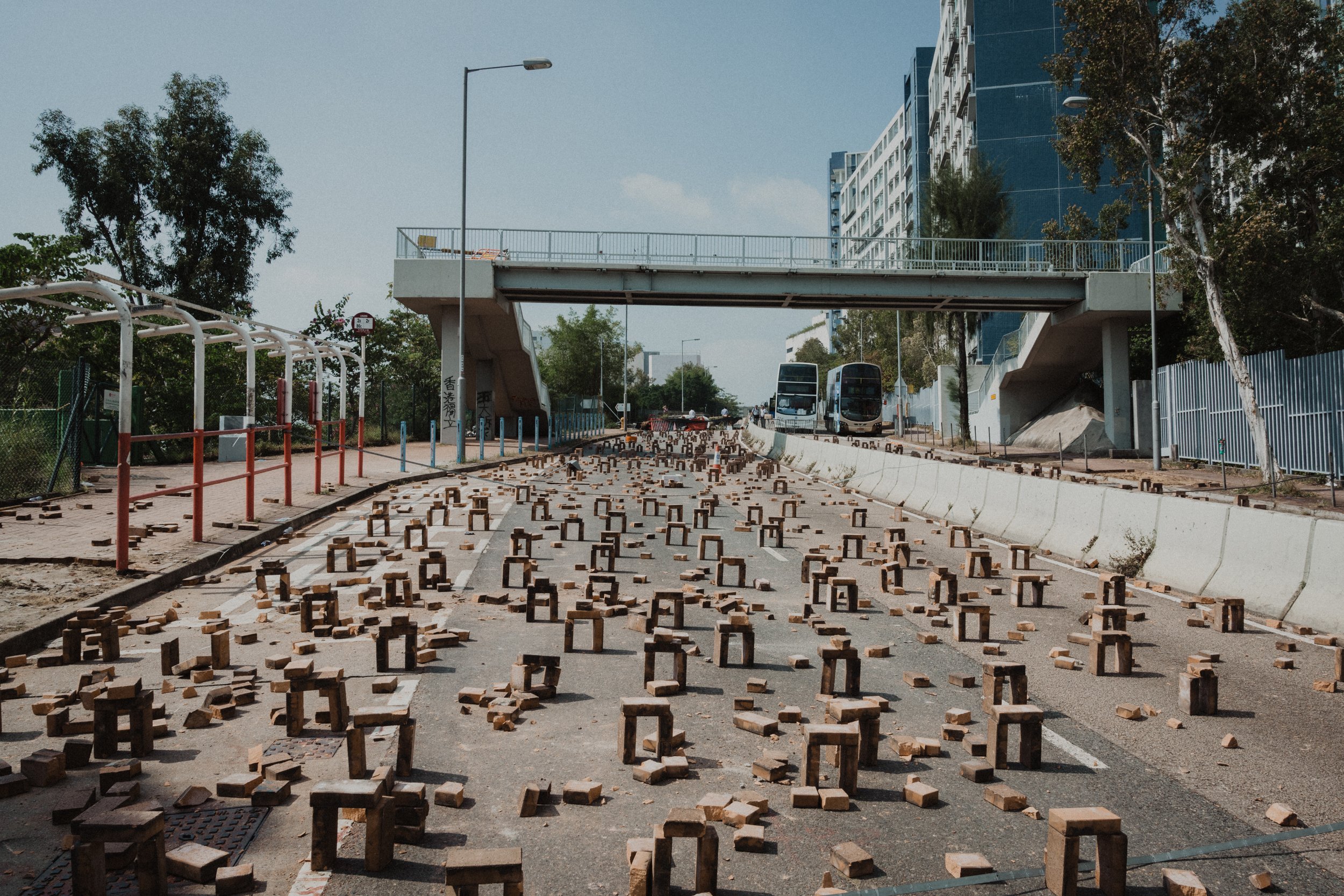
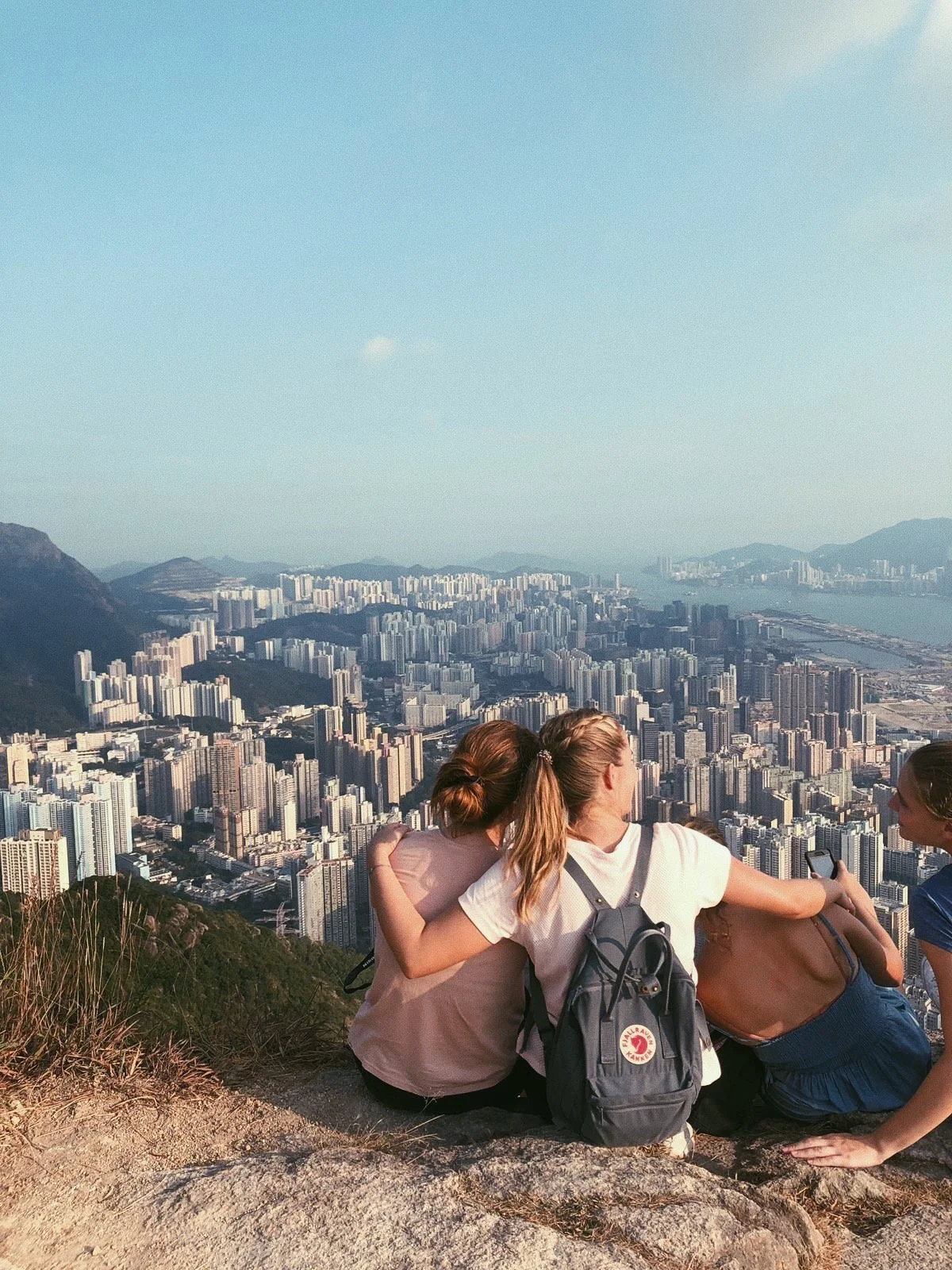
In 2019, I was on university exchange in Hong Kong - a place where dense city life sits amongst nature walks and grassy mountains. It quickly became a place I enjoyed being. The people and landscape shaped a lot of how I think about our relationship with the environment and with one another. Something I remember noticing about Hong Kong was the coexistence of resourcefulness and waste - improvised systems like plastic bottles channeling rainwater down buildings, set against the heavy use of single-use plastics for takeaway and dining.
I was lucky to receive a scholarship through Westpac, promoting Asia-Australia ties which made this trip possible and opened me to meeting people across other disciplines like law, business and more. As part of this, I attended a leadership week in Shanghai and was opened up to the corporate world and its systems.
While in Hong Kong, I attended a talk by a bio-artist. Her name is Marta De Menezes and her work explores the possibilities of modern biology and biotechnology as new art media. She conducts her practice in research labs - her art studio. DNA, Proteins and Cells offer her an opportunity to explore novel ways of representation and communication. In particular, I was fascinated by her work ‘Nature?’ where butterfly wings were manipulated with the human hand to show humans’ intervention with nature. The butterfly’s genes are unchanged, so the new patterns are not transferred to their offspring.
Until that moment, I didn’t know this field of bio art existed. This multidisciplinary approach that cross-pollinated science, nature and creativity made me very excited. It planted a seed - one that stayed with me while moving around.
During this time, I also travelled through Japan, China, Cambodia, Korea, Vietnam, Taiwan, and Thailand. Each place had its own rhythm, culture, and way of life. I was lucky to travel with friends who were more experienced at navigating new places than me. It was a really nice foundation for how to explore new places - with some structure, and also a lot of chance encounters. I viewed a lot of galleries and exhibitions and began to understand more of my own design taste. I reconnected with my love of ceramics - taking my first ever wheel throwing course. I had previously worked at the Australian Ceramics Triennale in Tasmania earlier in the year as an intern, thanks to Vicki Grima. I made sure to take lots of photo’s of unique teapots, especially in Taiwan. I bought from local artists, and my favourite purchase was a small, curved, wooden comb that came in a textile bag.
Later that year, Hong Kong became more unstable, with protests spreading across universities and throughout the city on most weekends. Eventually, it became unsafe, and we were asked to leave the country. It was a strange time to be in Hong Kong, and that’s all I will say here. I was sad to leave, but luckily went to Thailand to stay with friends who had family there. I got really sick in this time, and wasn’t able to do as much as I would have liked to.
While travelling, I was reading “creation…” by x and these ideas I was beginning to think about in relation to industrial design process and outcomes.
I returned home in early 2020, and a week later the entire world changed overnight, thanks to covid 19.
Threads of Research
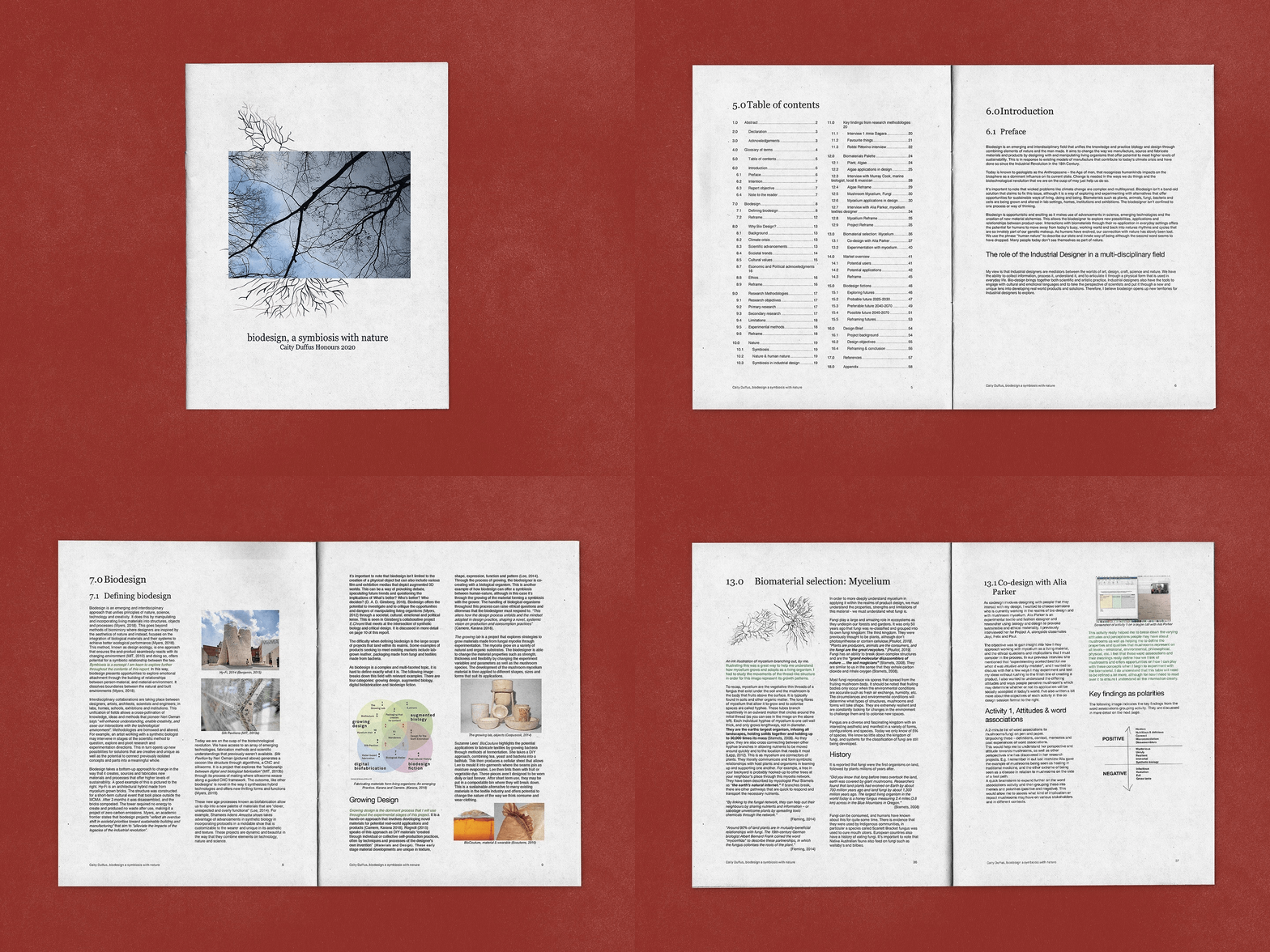
My final year of univeristy began, for Industrial Design Honours at UNSW. Since learning about bio art and how sciece and creativity can collide, I chose to explore the topic of Bio design.
Despite covid being a time of confusion, the unknown and challenging for us all, it meant I dedicated a lot of time to being home - researching for my report, writing and journalling ideas. I set an intention to really give this year my all, and to trust in the design process - to not go in with any fixed ideas of the outcome, but to truly follow each step in the process, be adaptable and pivot. Looking back now, I received exactly this experience. I’m so glad I set this intention as my foundation.
The book, Bio Design: Nature, Science, Creativity by William Meyers was such a great resource. It shaped the way I thought about and could position the kinds of projects within this multidisciplinary field. Categorising, organising and understanding the positioning of projects allowed me to see where the potential directions were and what best would lend to an industrial designer. The major work was to create a physical product and outcome, not just something speculative, so I was cautious to stay clear of this and knew I would explore this realm another day.
It is grounded in my research report, Biodesign: A Symbiosis with Nature, which explored biodesign as an interdisciplinary field and the role of the industrial designers in the age of the Anthropocene.
This evolved into researching biological materials such as algae and mycelium - their properties, potential applications, and the ethical considerations of working with living organisms.
Following the Hyphae
In researching, I found many people had negative associations towards fungi, often referring to fungi as "gross, poisonous and infectious". These stories stem from generations of fear and a lack of knowledge about fungi. This presented a problem - If I was to design a product using mycelium as the material, would it even be adopted by society?
Mycelia House is as much about changing the societal perceptions of fungi as it is about creating a designed artefact that is functional, simple and regenerative.
Why is fungi an important part of our future?
Paul Stamets is the Steve Jobs of Mycology, and I was deeply inspired by his TED Talk ‘How mushrooms can save the world’ where he goes into detail of all the potential uses for fungi and the essential role they play in our ecosystem. They are the hearts of our forests, connecting trees in a symbiotic relationship and holding all soils together. Fungi is the largest living organism on our planet. Perhaps the most interesting thing about fungi is the microscopic hyphae, known as mycelium - and the way they connect and communicate with all of life. As humans there’s a lot we can learn from their way of being.
“What a beautiful inspirational model for how human beings might live: In a shared economy based not on greed but on nurturing relationships and mutual cooperation.” ― Paul Stamets, Fantastic Fungi
Fungi offers many potential applications for sustainable futures as:
A grown biomaterial - used in applications such as furniture, packaging, clothing
A food source - high in protein, vitamins and minerals, with a similar texture to chicken. Less energy than other agricultural methods to grow.
Medicinal - Reishi mushroom has been used in Traditional Chinese medicine for over 4,000 years. It strengthens the immune system and in today’s world is used to manage anxiety.
Acknowledging ancient cultures and their wisdom.
An ability to break down waste - in landfills and toxins in our waterways, as disassemblers and bioremediators.
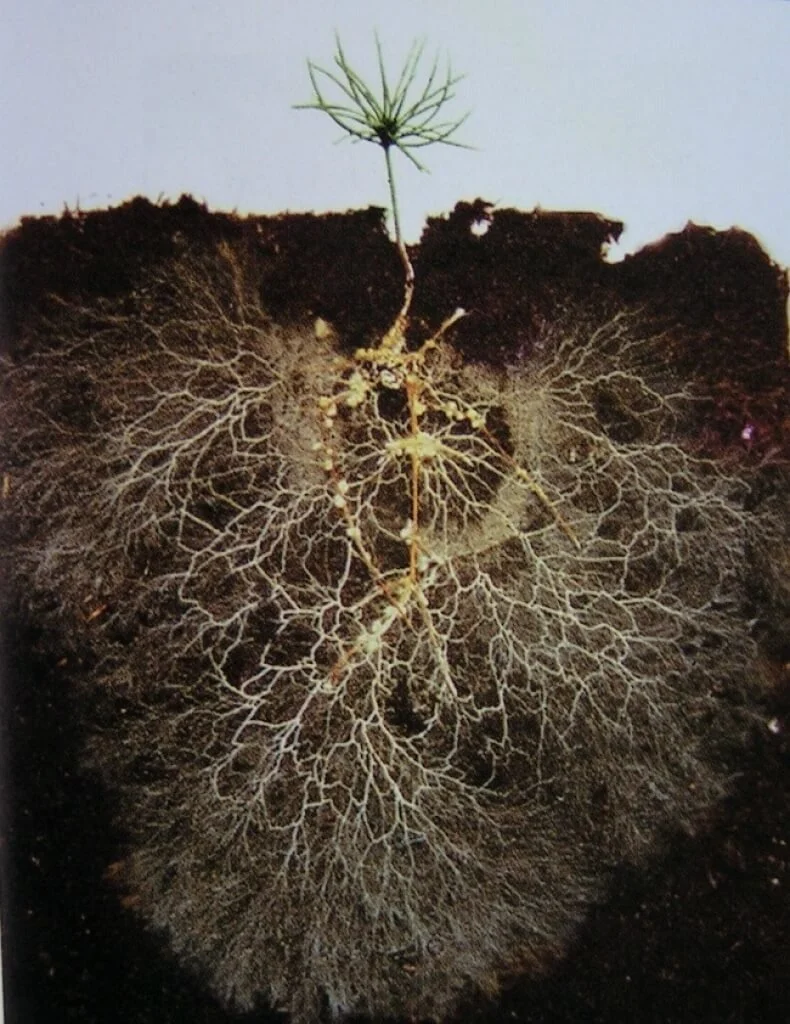
Mycorrhizal hyphae colonizing the roots of a pine seedling.
Under the Microscope
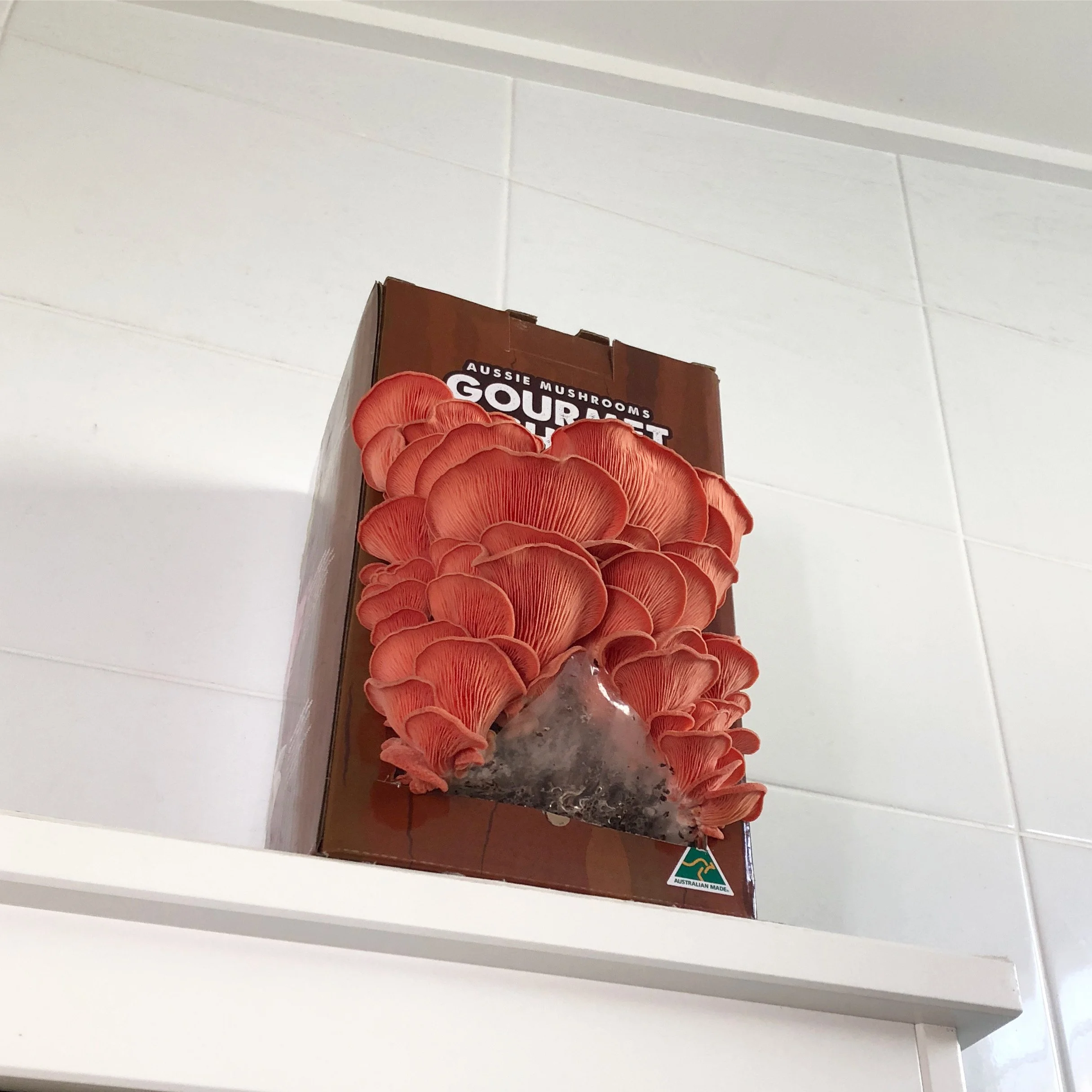
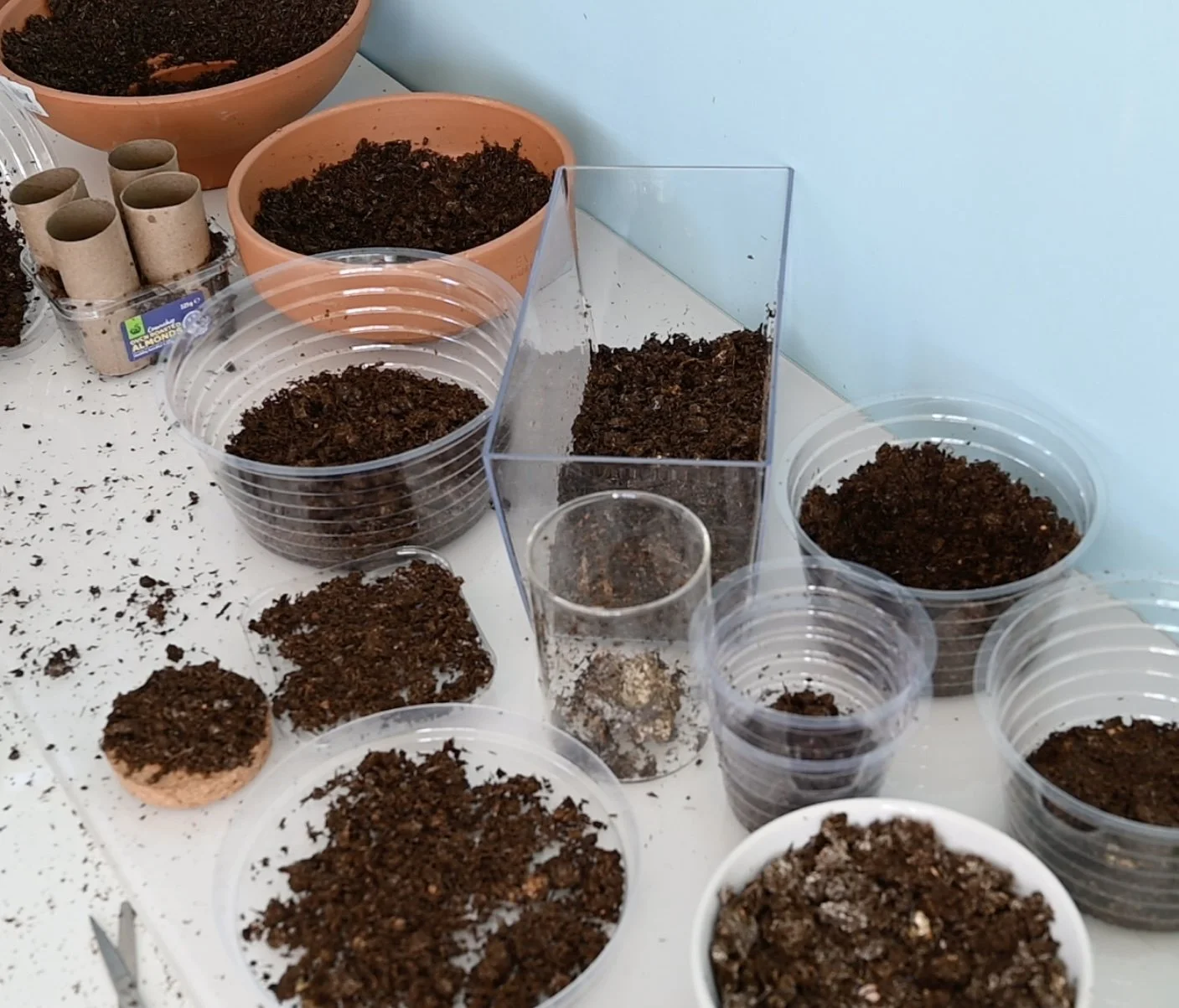
Experimentation…
mycelium substrate in molds
in a lab setting - mushroom cultivation
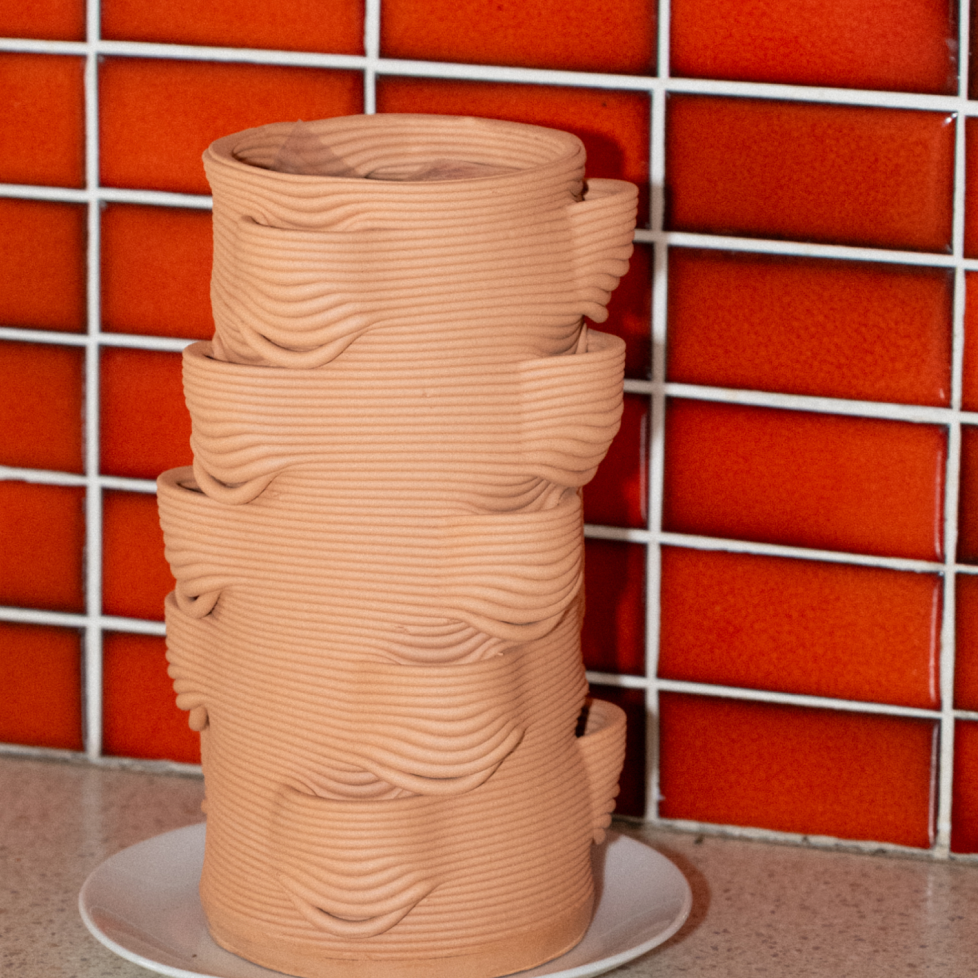
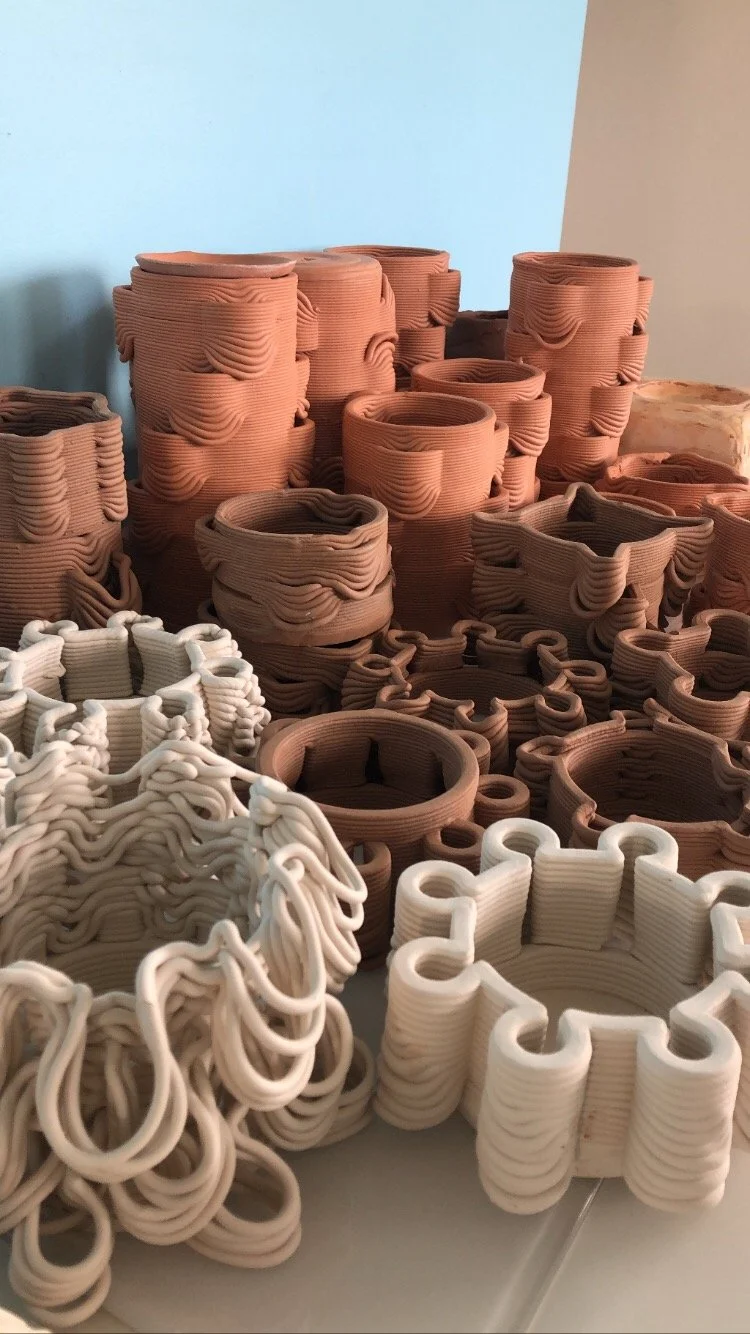
Ceramic 3D Printing
Access to this in universities.
Glass Blowing with Rob and Yuri
Terrarium design, lots of learning in glassware in commercial and artistry sense. Designing not only for how something can be made, but considering the production volume, the costing and optimising the design for this - as this reduces cost for end user.

End of the Road
Onto new things, excited to be in world, to work and to continue freelancing. Especially in time of covid, there wasn’t too many people hiring for industrial deisgn or other creative jobs. I applied to many, although never heard back from most of them. I embraced freelance and developed my skills with photography, and taught myself skills in graphic design and branding. Even though I wasn’t making money, I used savings to hire a business coach (Jo Chuan) on a payment plan and began exploring my business values, processes and systems to best create packages and serve the needs of clients. I naturally have an affinity to helping people bring through their creative ideas.
Mycelia House got media attention online. people wnating to buy one,

Media
I submitted Mycelia House to Dezeen, and it was shared here. Soon to follow, it was shared across…
Dezeen
Green Magazine
Milan Design Week
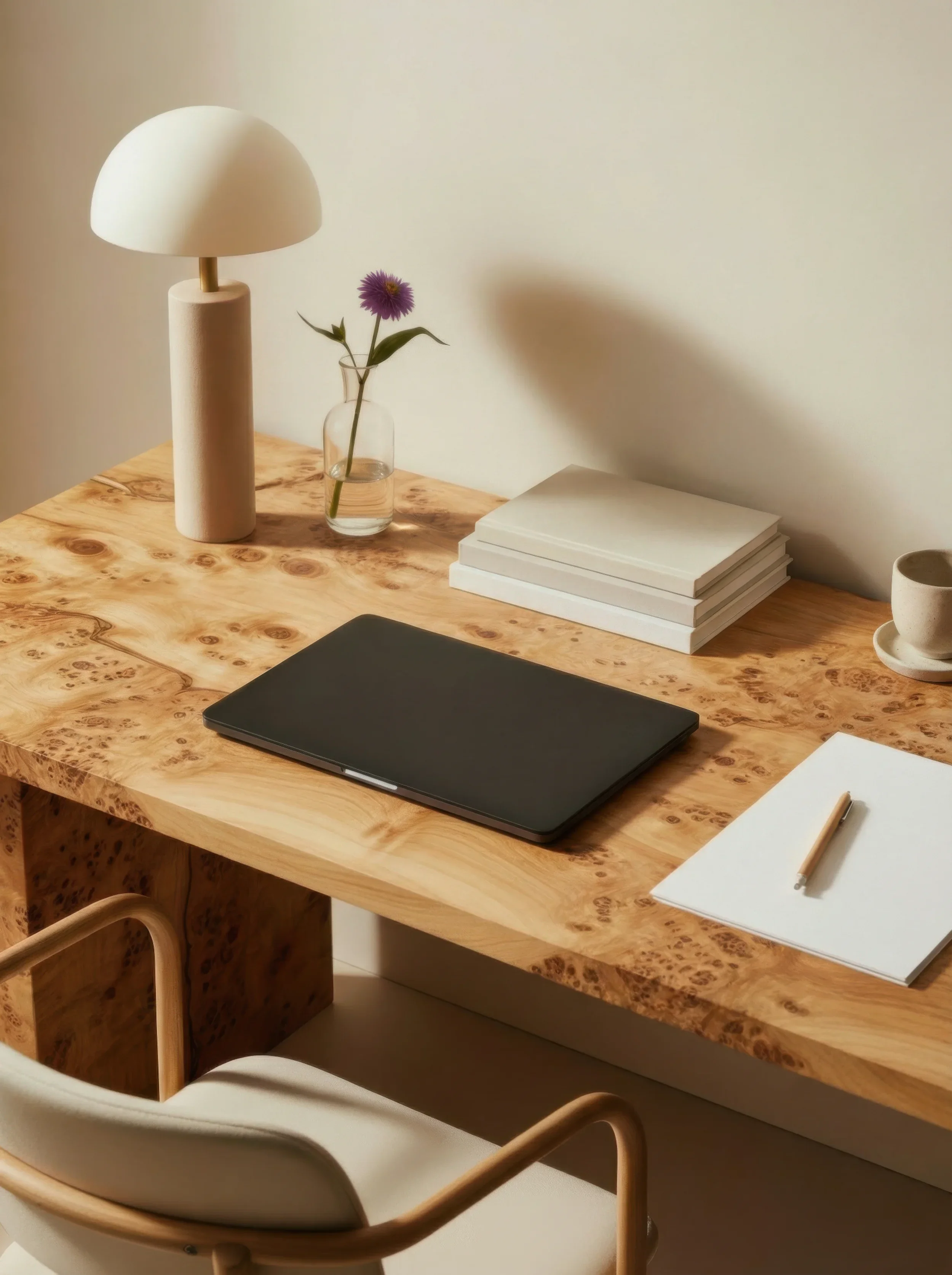
Applying for funding, exploring other interests
Creative gov unsuccessful. Powerhouse Museum…
yoga teaching, photography, videography, vert design
(check presentation from uprising)
Funding and Mentorship support secured
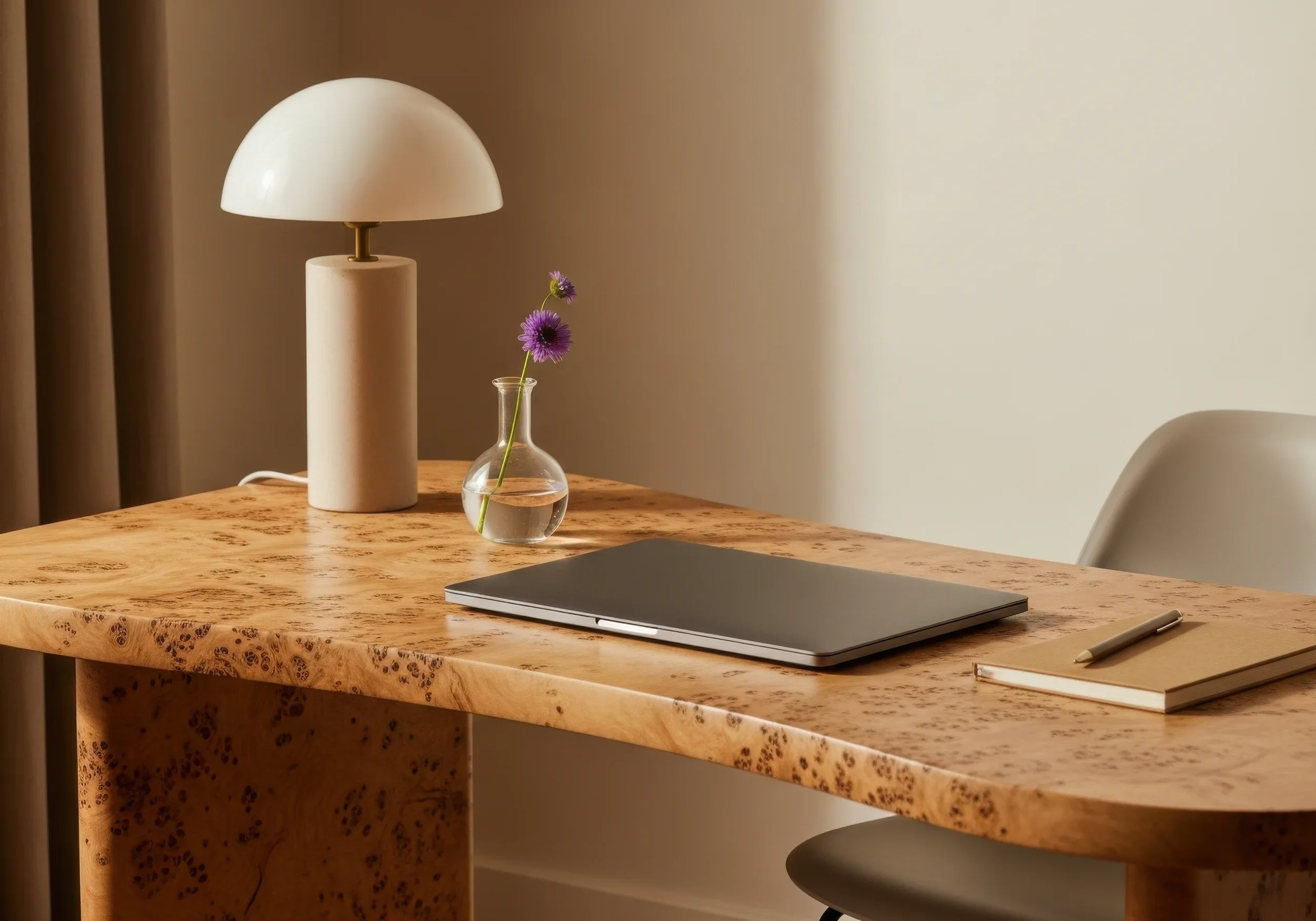
Photo at Sydney Design Week
business of design
carl nielsen legacy… powerhouse museum as supporting creatives
Ceramic 3D Printing
Back to UNSW - photo with ed
purchased own printer, set space up
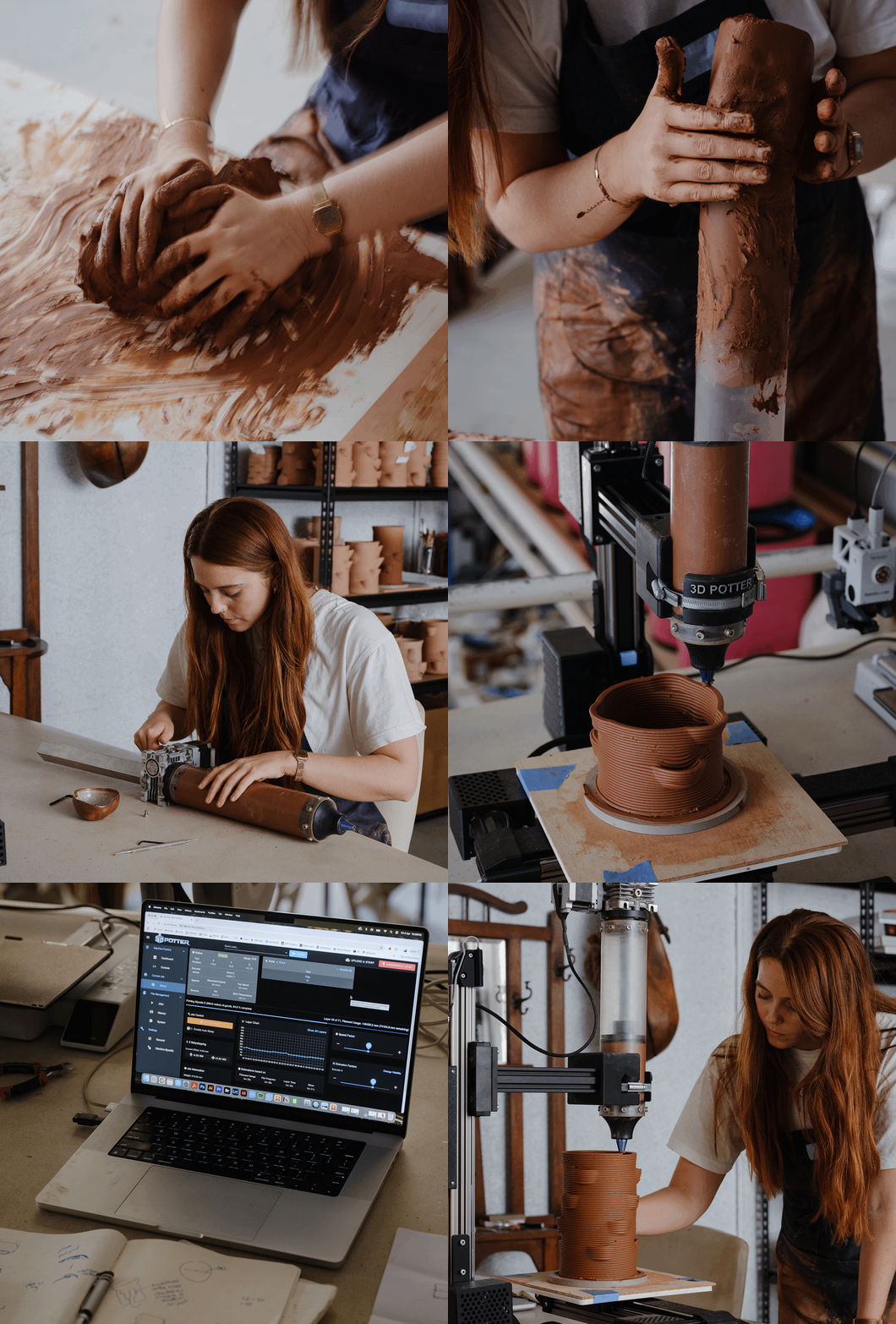
Testing
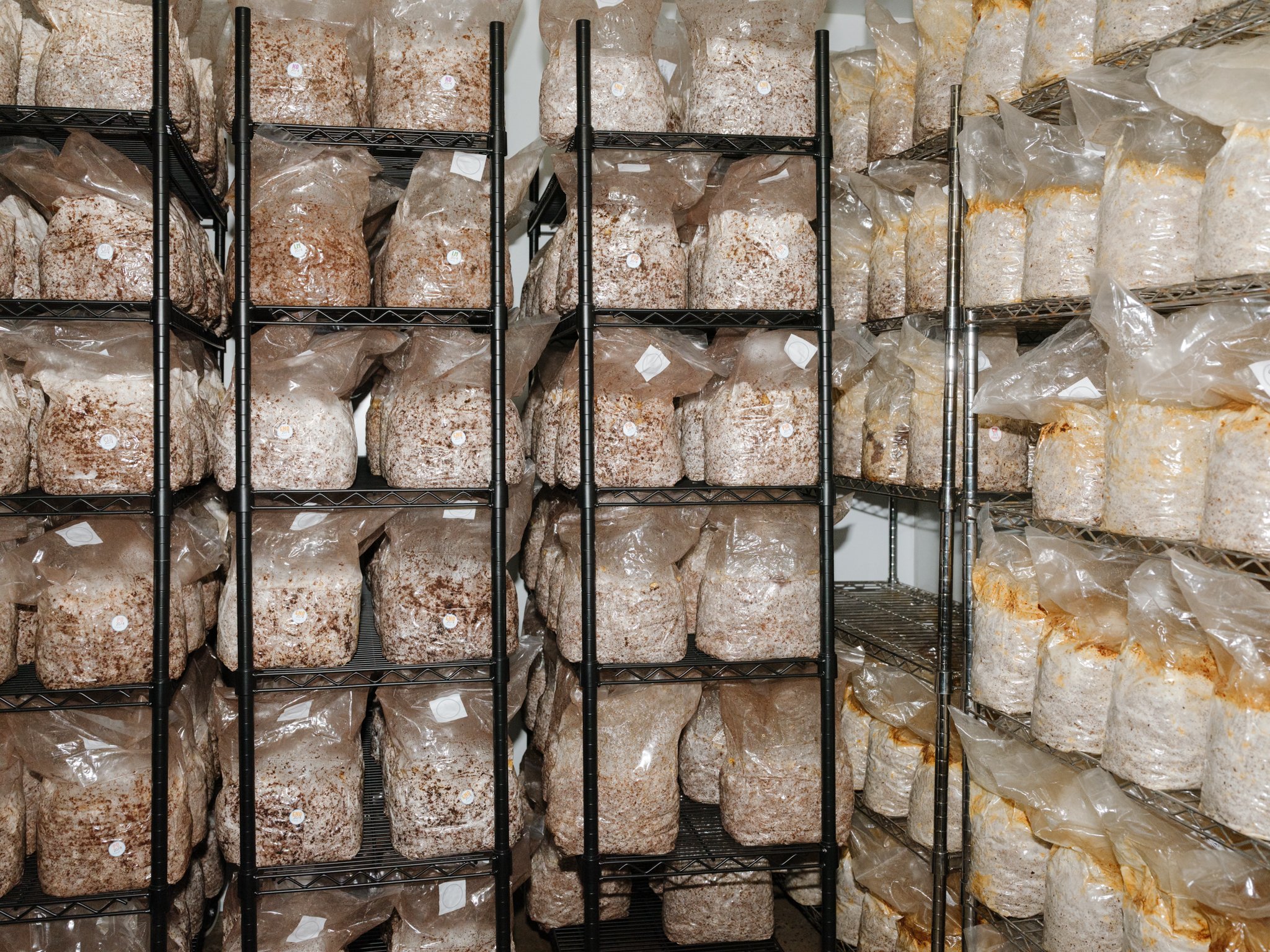
grow experiments
Collaboration with Ruffle and Milkwood

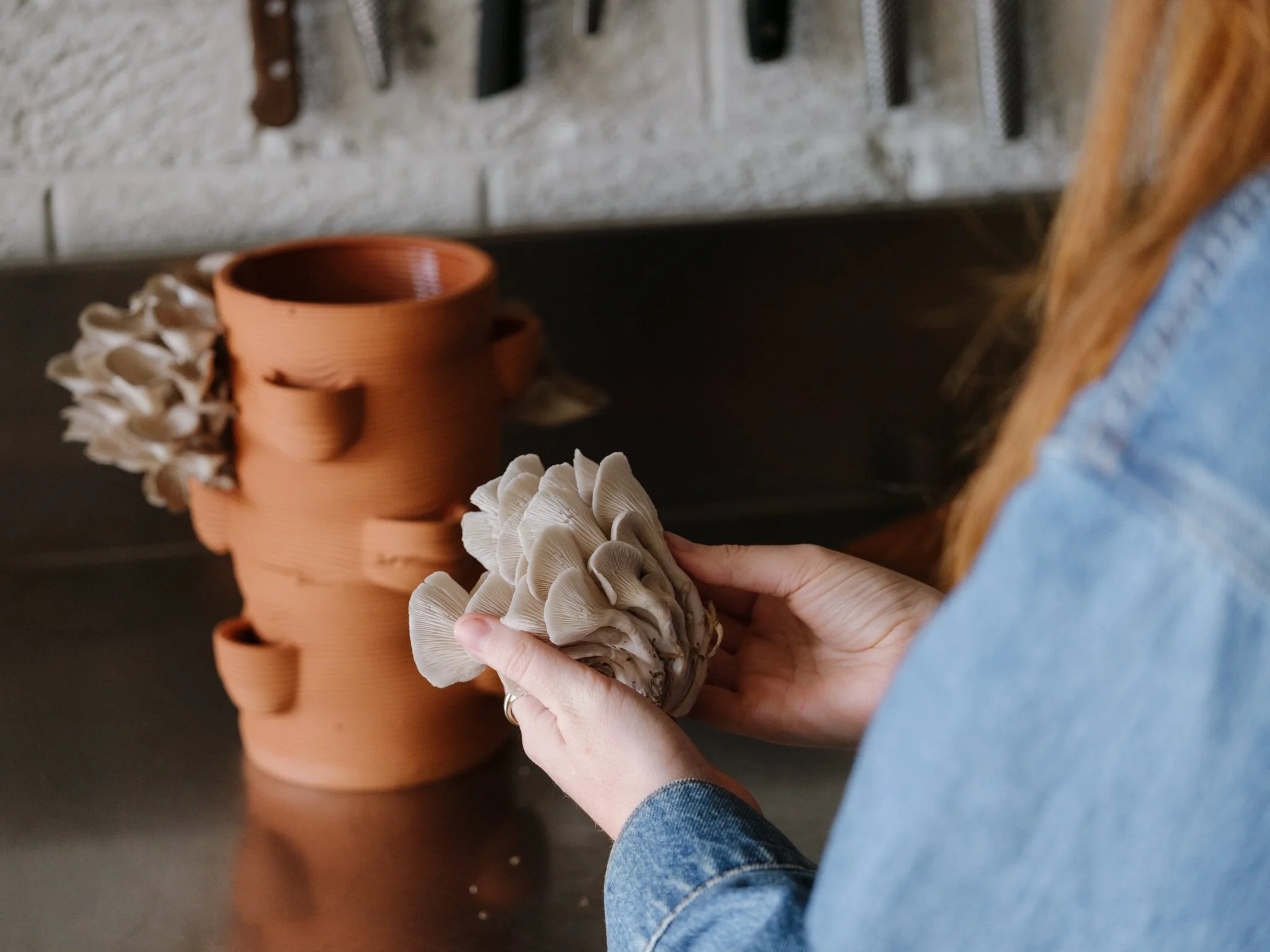
Jess and Joel - Follow the hyphae to substack interview here.
Milkwood
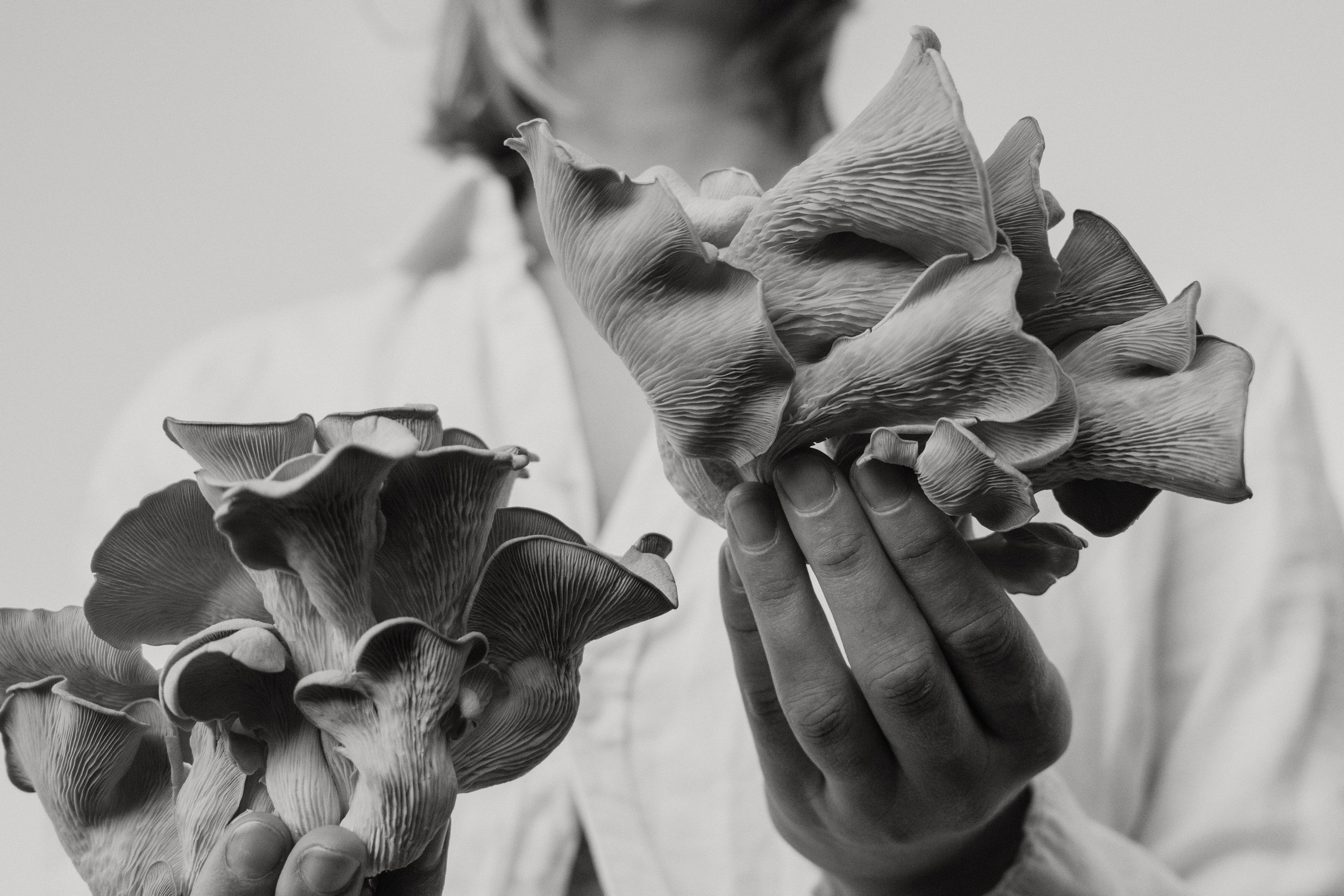
The Journey: Then
This project started as my 2020 Industrial Design Honours Project whilst studying at the University of New South Wales.
The initial intention for this project wasn't to design a pot to grow mushrooms —it was to explore the applications of mycelium as a material within design. This was based on findings presented in the report: Biodesign, a symbiosis with nature.
In researching, I found many had negative associations towards fungi - often referred to as "gross, poisonous and infectious". These stories stem from generations of fear and a lack of knowledge about fungi. This presented a problem—
If I was to design a product using mycelium as the material, would it even be adopted by society?
Mycelia House is as much about changing the societal perceptions of fungi as it is about creating a functional, beautiful & simple product.
Fungi is beautiful. When we display them within our homes we watch them grow, we connect & we can attune ourselves to a more natural rhythm of life - one that is more sustainable.
-
Paul Stamets is the Steve Jobs of Mycology, and I was deeply inspired by his TED Talk ‘How mushrooms can save the world’ where he goes into detail of all the potential uses for fungi and the essential role they play in our ecosystem. We have a lot to learn about the diversity of the fungi kingdom, only knowing 3% of fungi species. They are the hearts of our forests, connecting trees in a symbiotic relationship and holding all soils together. It is the largest living organism on our planet. We have a lot to learn from fungi.
Fungi offers many potential applications for sustainable futures - as a material (furniture, packaging, clothing), food source (to nourish), medicinal (eg reishi for anxiety & lions mane to strengthen neural pathways), acknowledging ancient cultures & their wisdom, and an ability to break down waste (in landfills and toxins in our waterways).
Mycelia House 01
Care for, grow and display oyster mushrooms in your home.
Looking Forwards, Looking Back
Younger Caity would be so proud :)